Rahu Temple in Uttarakhand | History and Location 2026
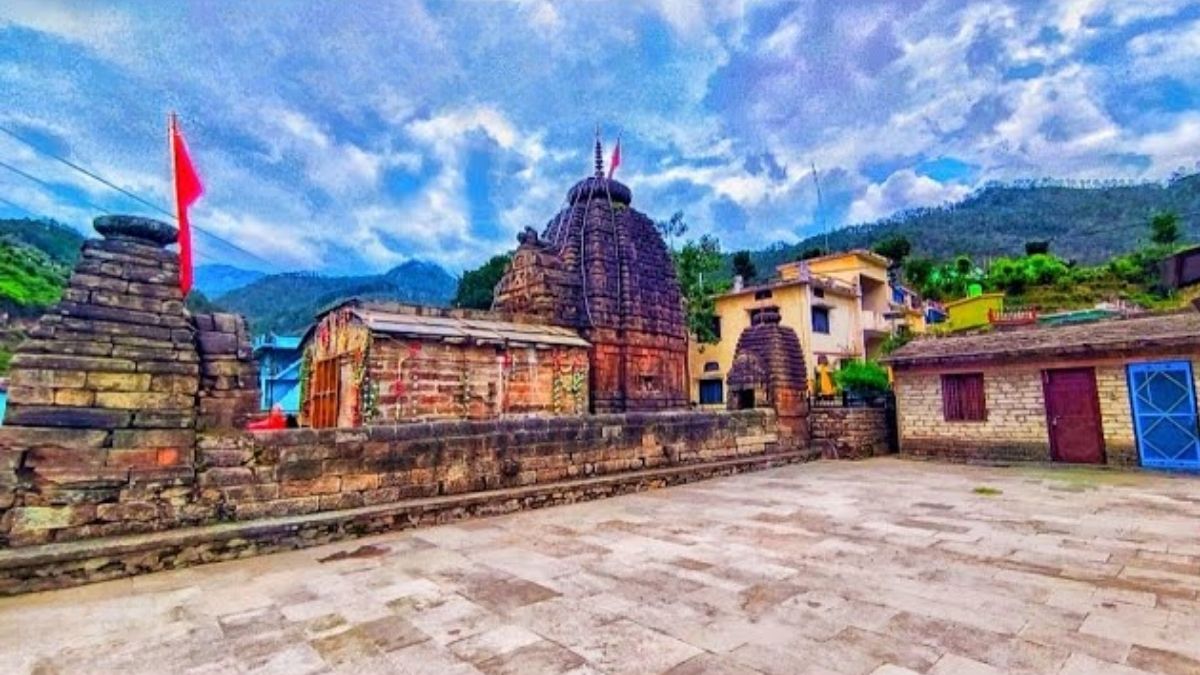
Uttarakhand is not called “Devbhoomi” for nothing. Its mountains, rivers, and temples all inform memories. The Rahu Temple in Uttarakhand, referred to as the Paithani Mandir or Rahu Temple, is one such tale. This temple is located very near my village, approximately 5 kilometres away. I’ve been touring it given my early life, and the most unique aspect is that even nowadays, the temple is precisely the same as it was before. No adjustments, no show-off—just peace and faith.
Rahu Temple in Uttarakhand: Location and Natural Features
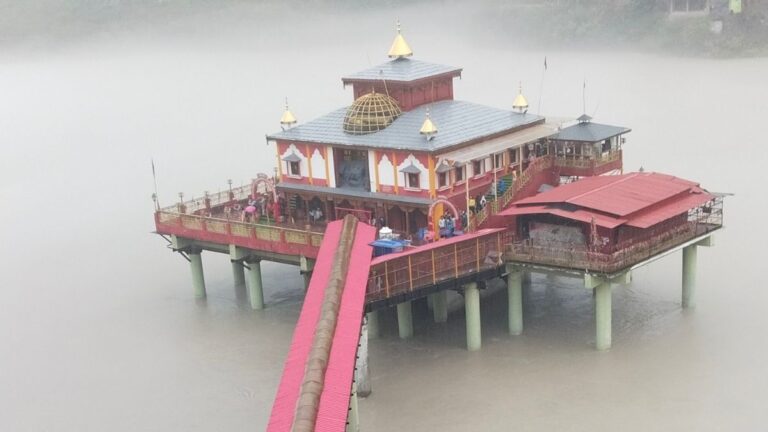
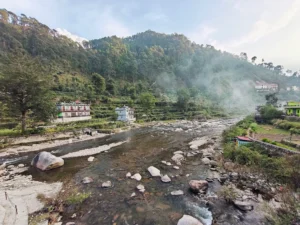
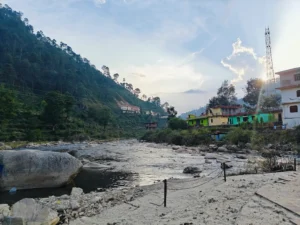
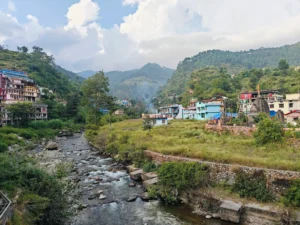
Paithani Mandir is positioned in the Pauri Garhwal location and is known for its natural splendour. Near the temple is the confluence of two rivers, which the locals bear in mind as sacred.
As youngsters, we regularly sat close to this confluence. The sound of the rivers, the cool breeze, and the temple bells—those all combine to create a unique enjoyment. Even these days, travelling here brings that same sense of peace.
Rahu Temple Uttarakhand – Real Darshan Video
What is the history of the Rahu Temple Uttarakhand?
Mythological History of Rahu Paithani Mandir(Story of Samudra Manthan)
According to Hindu scriptures, in the course of the churning of the sea, an Asura named Swarbhanu cleverly sat some of the gods and partook of the nectar. As soon as the Sun and Moon diagnosed him, Lord Vishnu severed his head with his Sudarshan Chakra.
The head has become immortal from the contact of the nectar—this head became referred to as Rahu, and the frame changed into what is known as Ketu. Since then, Rahu has been considered a shadow planet, associated with sudden changes in existence, illusions, and karmic consequences.
The Birth of the Paithani Mandir and the Penance of Rahu
It is thought that Rahu completed extreme penance for Lord Shiva inside the location of Paithani. This penance took place close to the confluence of the Siyuligad and Nawalika rivers, where the temple stands these days. Pleased with Rahu’s devotion, Lord Shiva bestowed upon him the electricity of a planet and a cosmic role.
Therefore, both Shiva and Rahu are worshipped collectively here, which distinguishes it from different temples in India. It is likewise believed that this location was formerly known as Rathkshetra, and later it became named Paithani after the call of Rahu’s extended family, “Paithinasi”.
The Unique Confluence of Shiva and Rahu
The most special aspect of the Rahu Temple in Uttarakhand is that both Rahu and Lord Shiva are worshipped together here – a practice that occurs at very few places in India. According to the legend, when Rahu tapped Lord Shiva, Shiva was impressed by his devotion and accepted his worship.
Therefore, the temple also houses the shrine of Rahu along with the Shiva Lingam. Some people also believe that the Pandavas established this temple and performed puja here during their pilgrimage to get relief from Rahu Dosha.
Temple Worship Rituals and Traditions
The worship, aarti, and rituals at this Rahu mandir Paithani are slightly different from those at our common temples dedicated to gods and goddesses:
- Moong Khichdi — This offering is made to appease Rahu and seek his blessings.
- Pooja of Shiva and Rahu together — This is unique because the union of the two has a spiritual meaning, seeking the blessings of both Shiva, the Guru, and Rahu.
- Snan at the River Confluence — Devotees perform the puja after taking a bath as advised by the Pandit, which helps in removing negative energy.
There is no noise here. People come seeking peace rather than their problems.
My Personal Experience
Whenever I feel a little confused or heavy in life, I come here. No special intention, just sitting near the temple and watching the rivers. To be honest, this Paithani Rahu mandir reminds me every time that everything doesn’t have to be okay right away—sometimes just staying calm is enough.
Best Time to Visit Paithani Temple
- Visit: All weather
- September – November: clear skies
- Saturday & Amavasya: vishesh pooja
Note: Be cautious during the monsoon.
Why is Rahu Mandir Paithani special:
- Rahu dosha
- Kaal Sarp Dosh
- Career and mental stress
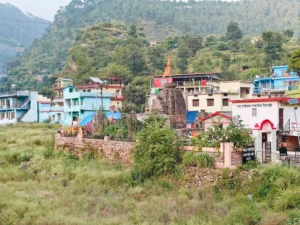
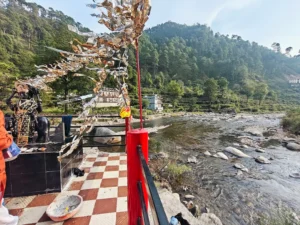
Rahu Temple Paithani Photos

Facing Problems Due to Rahu Dosha? Get Rahu Shanti Pooja Done Today
Rahu Temple Paithani isn’t always just a sacred region, but a center of deep religion where human beings come looking for peace, alleviation from Rahu dosha, and answers to lifestyles’s challenges.
If you’re planning to carry out Rahu Shanti Pooja in Paithani, Garhwal Stories gives a complete and problem-free experience:
- Pooja conducted by experienced local pandits with proper rituals
- Comfortable accommodation (stay) in a peaceful natural environment
- Taxi and travel support from Dehradun / Rishikesh
- Personalized guidance based on your problem or purpose
With us, you don’t have to worry about managing different things separately. We provide a complete package including pooja, stay, and travel, so you can focus only on your spiritual experience.
Book Your Rahu Pooja in Paithani Mandir
If you’re feeling the effects of Rahu dosha or simply want to experience spiritual peace, this is the right time to plan your visit.
With us, you don’t have to fear approximately handling various things one at a time. We provide a whole bundle together with pooja, live, and tour, so you can consciousness simplest in your spiritual revel in.
Book Your Rahu Pooja in Paithani Mandir
If you’re feeling the effects of Rahu dosha or truely need to revel in non spiritual peacepeace, that is the proper time to plan your visit.
👉 Limited slots available – Contact now to plan your Rahu Shanti Pooja in Paithani.
- Call / WhatsApp: +91 7678470538
Conclusion: Rahu Mandir is not just a temple, it’s an experience.
The Rahu Temple in Uttarakhand is a place not only associated with astrology and religion, but also with achieving peace of mind and balance in life. Since childhood, Paithani Mandir has taught me that true faith lies not in noise, but in peace. If you, too, are looking for a Rahu Mandir where nature, history, and faith come together, Paithani is definitely your place.
Nearby Places to Visit
If you’re visiting Rahu Temple in Uttarakhand, be sure to check out these nearby places:
- Tarkund: A peaceful and less crowded religious site, perfect for nature lovers.
- Bheronkhal and Bunkhal Temples: Local centres of faith, offering a blend of mountain culture and devotion.
- Khirsu Hill Station: Famous for its clear views of snow peaks and calm environment.
- Budda Bharsar: Wide mountain views, a great place for peace and meditation.
- Dhari Devi Temple Uttarakhand: History & How to Reach
FAQs
Rahu Paithani mandir is positioned inside the Pauri Garhwal district of Uttarakhand. This temple is situated near the village of Paithani, near the confluence of rivers. Situated in a quiet region amidst the hills, the environment here feels pretty peaceful.
The distance from Delhi to Rahu Paithani Temple is approximately 360–370 km (depending on the route and road conditions).
Delhi → Kotdwar → Pabau → Paithani
The nearest railway station to Paithani Temple is Kotdwar Railway Station. From Kotdwar, you can easily reach Paithani by taxi or local transport.
There are just a few main temples associated with Rahu in India. The Rahu Paithani Temple in Uttarakhand is considered the most famous of those. Besides this, a few Rahu locations related to the Naganatha Temple (Karnataka) and the Sri Kala Bhairava Temple are also recognised for Rahu worship. Among a lot of these locations, the Rahu Temple in Paithani holds a distinct identity due to the fact that right here Lord Shiva is worshipped in conjunction with Rahu, which makes it even more unique and spiritual.
Paithani in Uttarakhand is known for its Rahu Temple, the confluence of rivers, and the peaceful mountainous surroundings. This region is special for those who seek peace and tranquillity away from the crowds.
According to religious belief, Lord Shiva controls Rahu. Therefore, Shiva is worshipped along with Rahu at the Paithani Temple. It is believed that with Shiva’s grace, the adverse effects of Rahu are pacified.
To reach Rahu Paithani Temple from Delhi, you may first take an express or bus to Kotdwar. Alternatively, you can take a Uttarakhand Transport bus from ISBT Kashmiri Gate to Paithani, which goes via Kotdwar. Once there, you may get a taxi or a local bus, as a way to take you at once to Paithani. The journey from Kotdwar is hilly, but the mountain perspectives and non-violent ecosystem along the way make the adventure pretty scenic and enjoyable.
The nearest airport to Paithani Temple is Jolly Grant Airport, Dehradun. From the airport, you can take a taxi to Kotdwar or directly to Paithani.
The distance from Haridwar to Paithani Rahu Temple is approximately 180–181 km. The journey is by road, and the mountain scenery in between is quite beautiful.
There is no official public phone number available for the Paithani Rahu Mandir, as it is a village temple. Here is the local number whose village houses this temple: +91 81264 62759